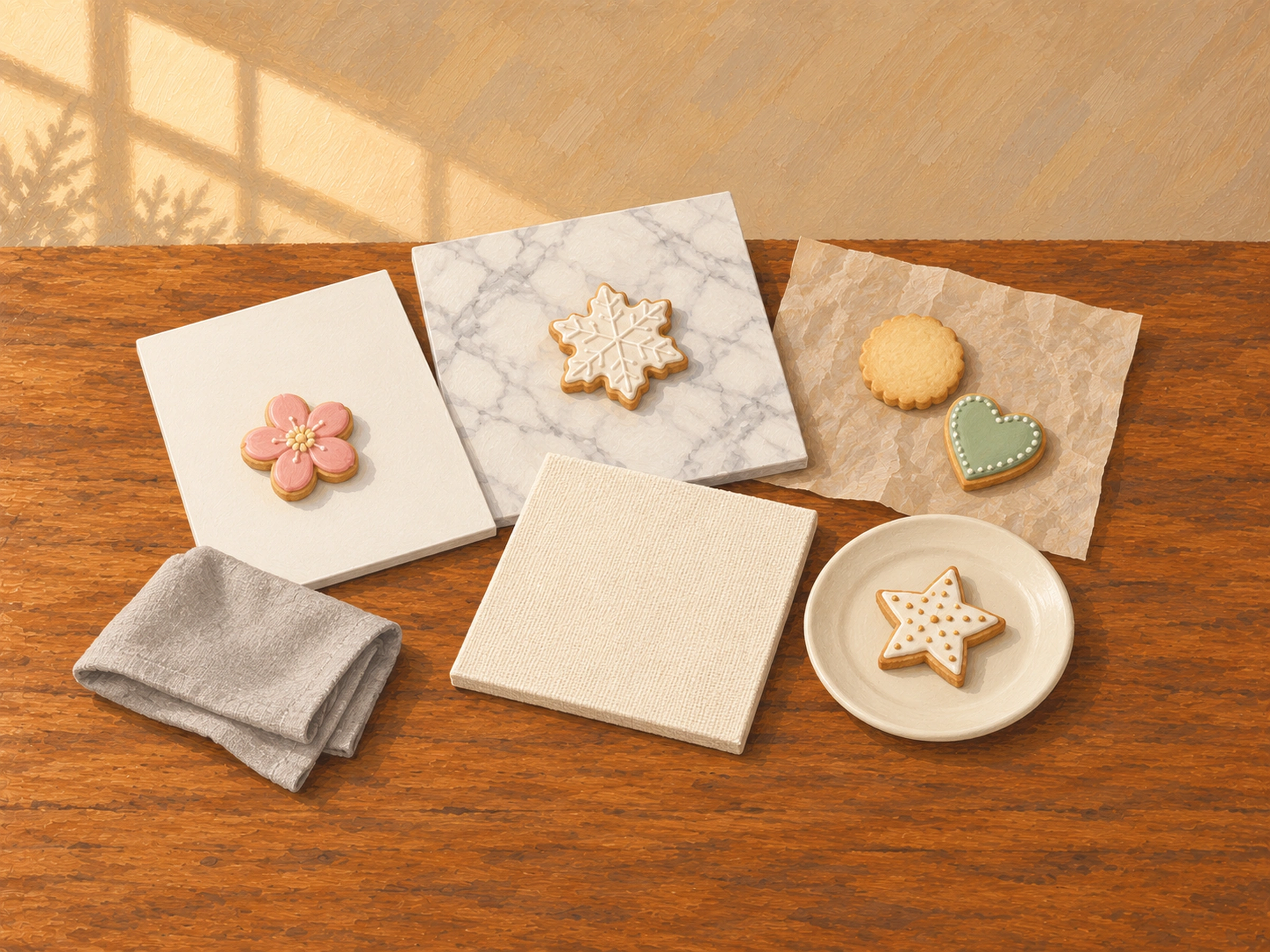
A note from Chefolio: we make an app that edits food photos. Chefolio is designed to change lighting and backgrounds, but an AI edit can also change the food. We label our edits and check them against the source.
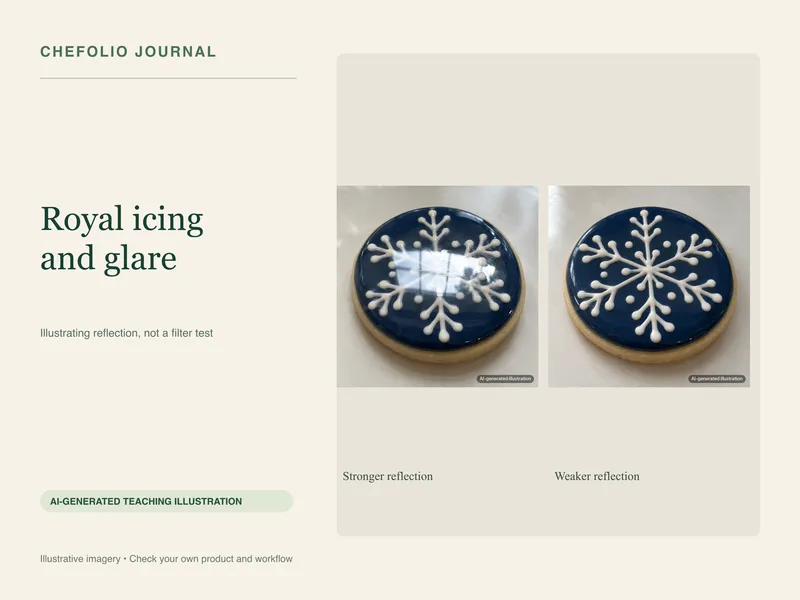
Teaching examples: AI-generated setups and comparisons below illustrate the ideas. They are not records of physical photography tests, and their food details may differ between panels.
Butter can leave translucent marks on absorbent backdrops. A pretty paper surface may work for one session and show grease spots the next time you use it.
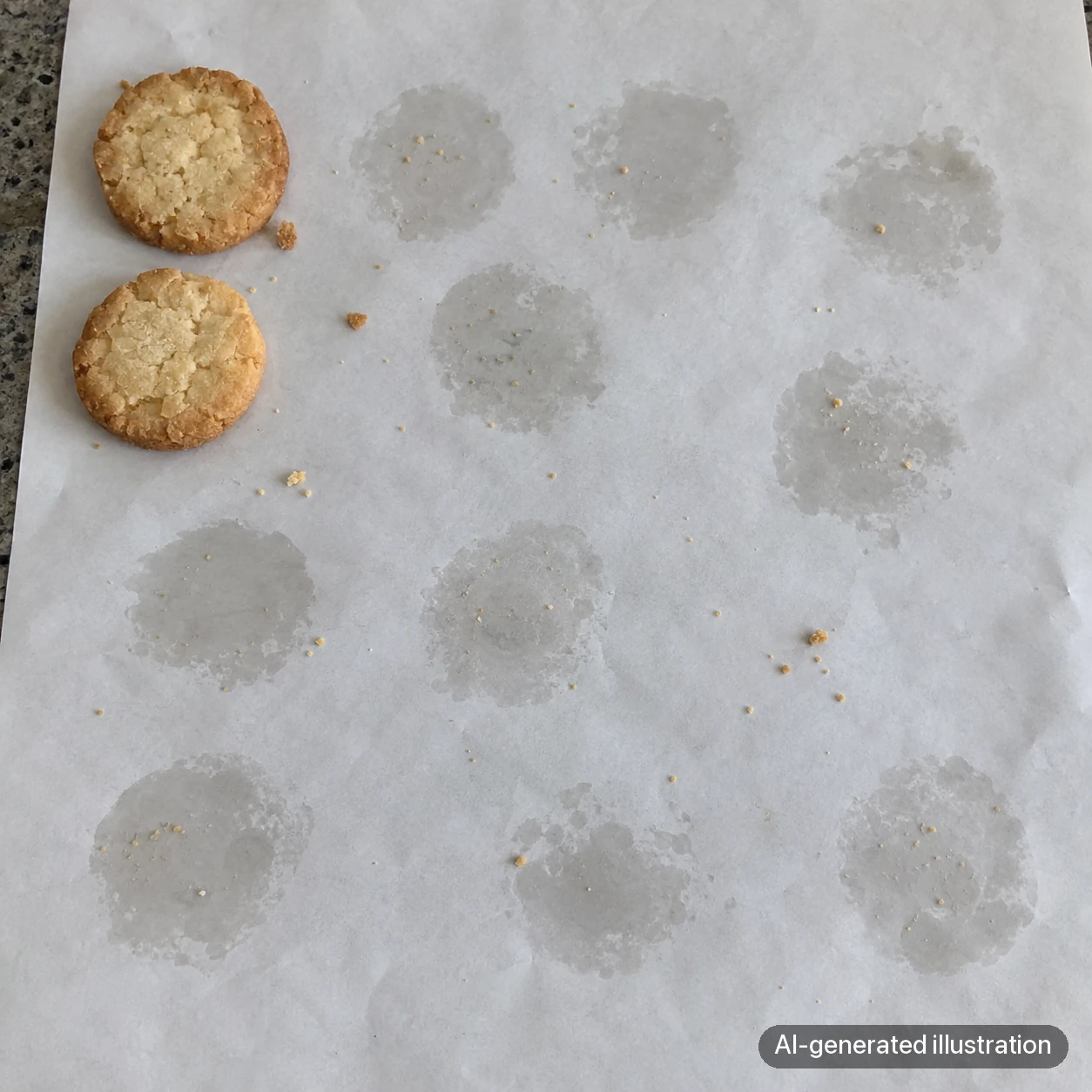
A decorator on the Cookie Connection forums put it plainly in 2019: "Everything I tried so far reacted to the butter and left greasy stains" (Cookie Connection). The replies in that thread are a good map of what works. Here's our version, with the tradeoffs.
What makes a good cookie backdrop
Before the list, the four things to look for:
- It wipes clean with a damp cloth
- It has a matte finish, so it doesn't glare
- It's neutral enough that the cookies stay the focus
- It's big enough for a full set, about 2 by 2 feet if you like flat lays
Almost everything that fails, fails on the first two.
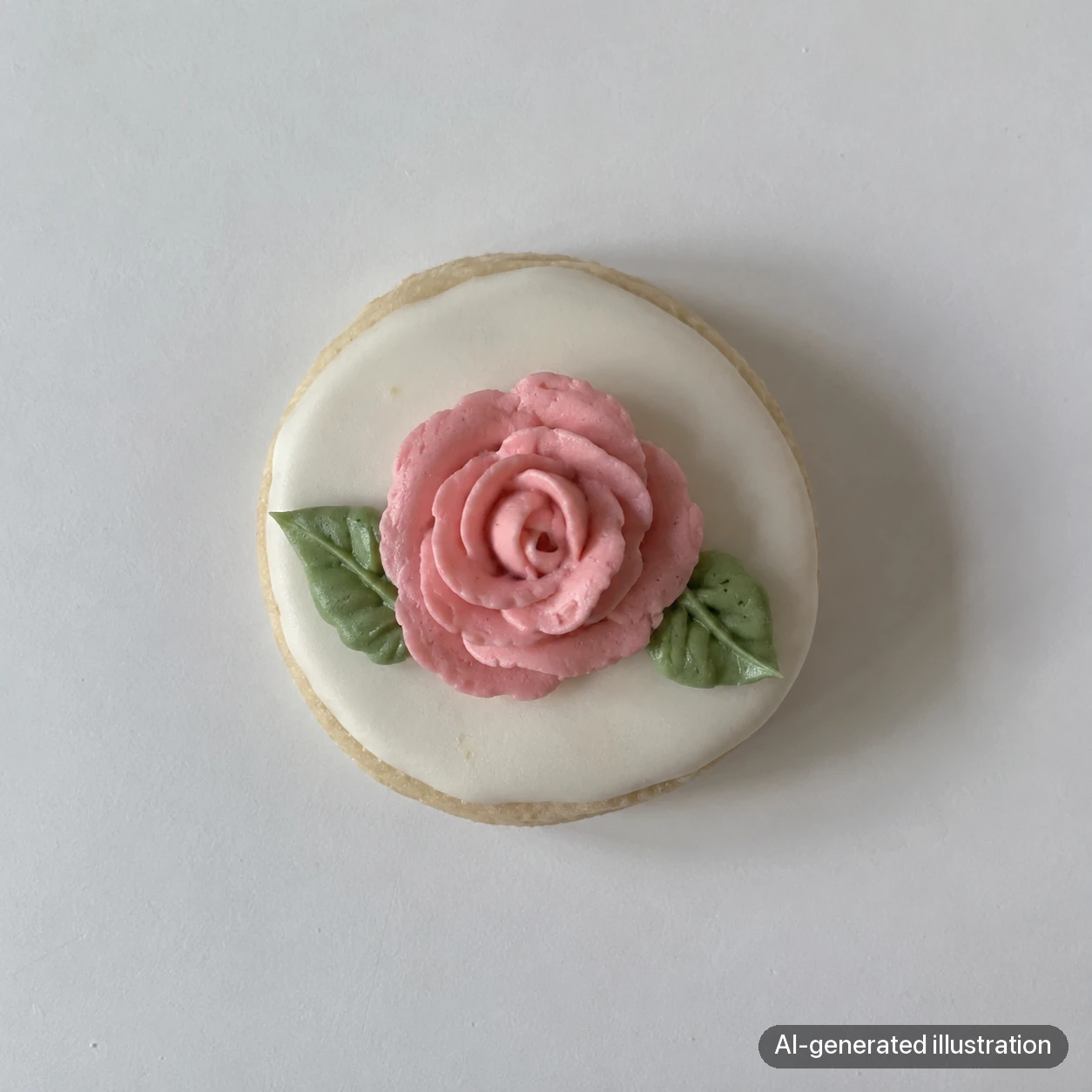
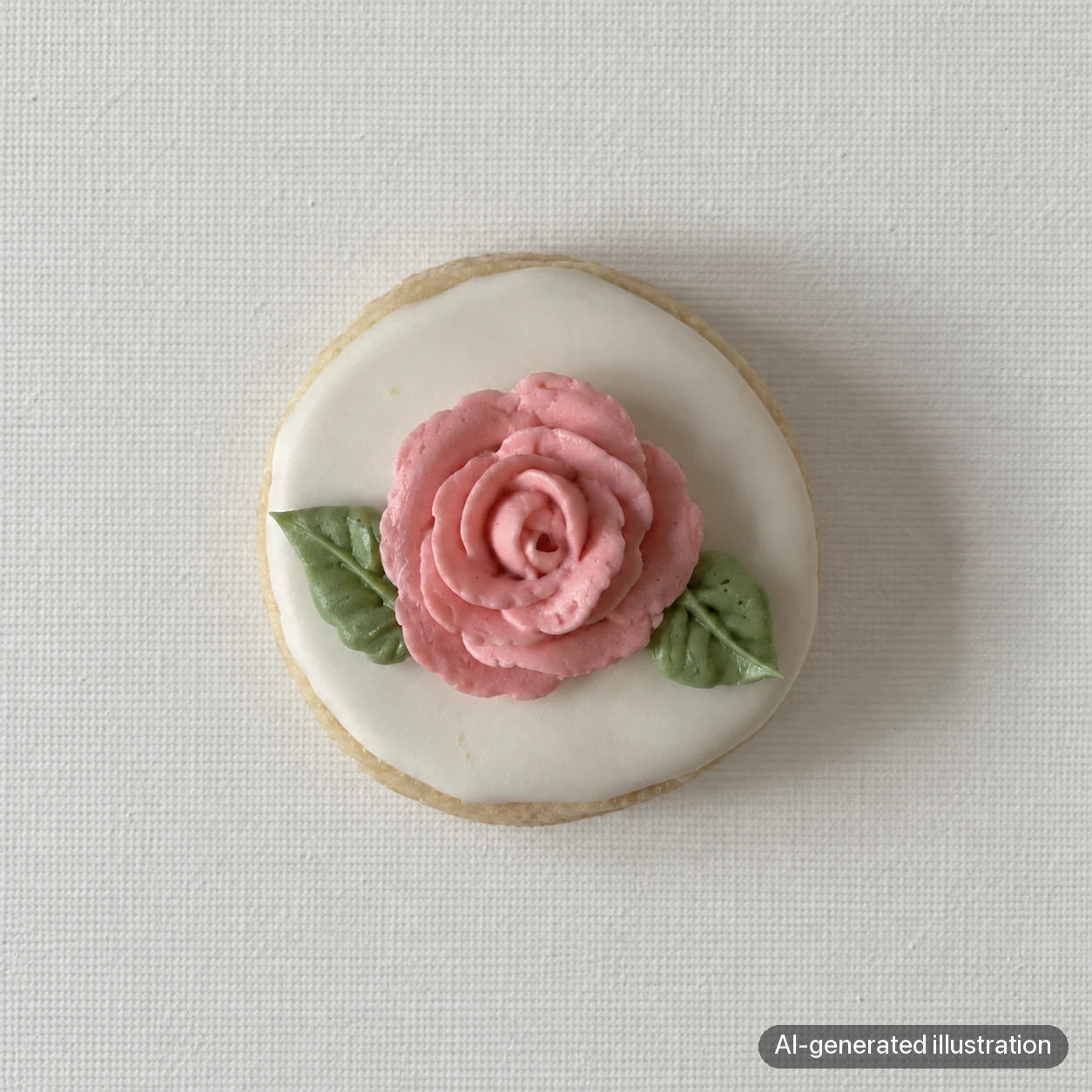
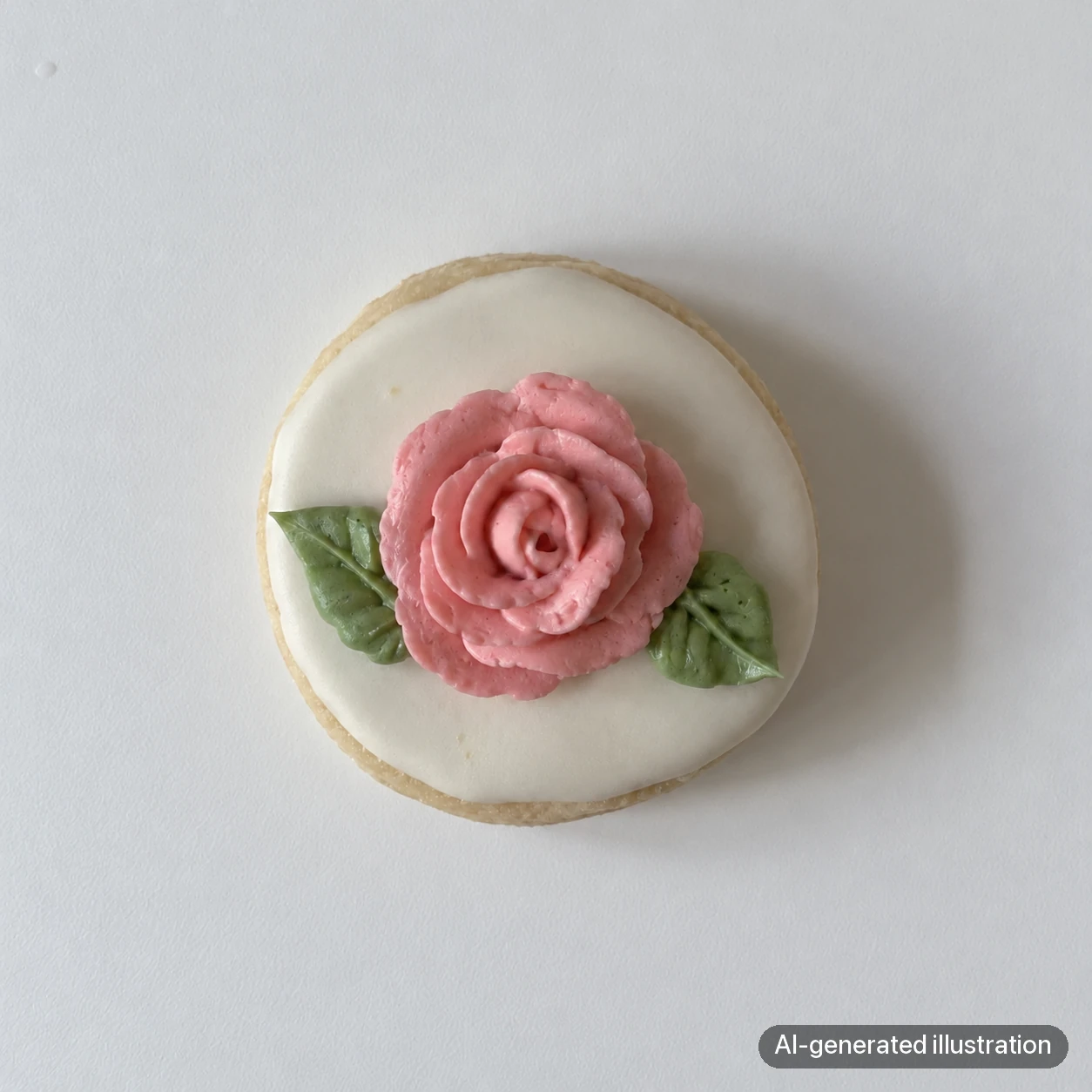
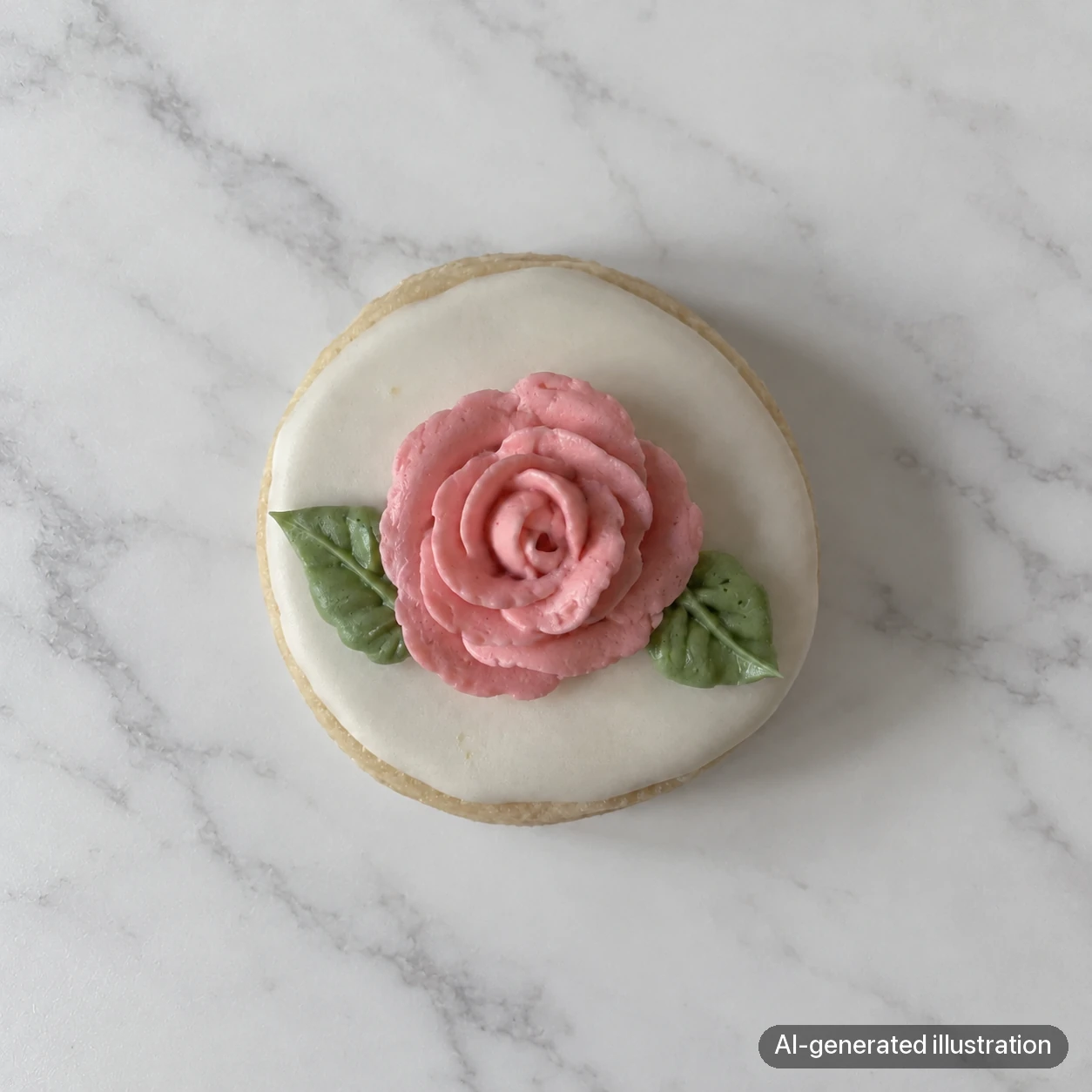
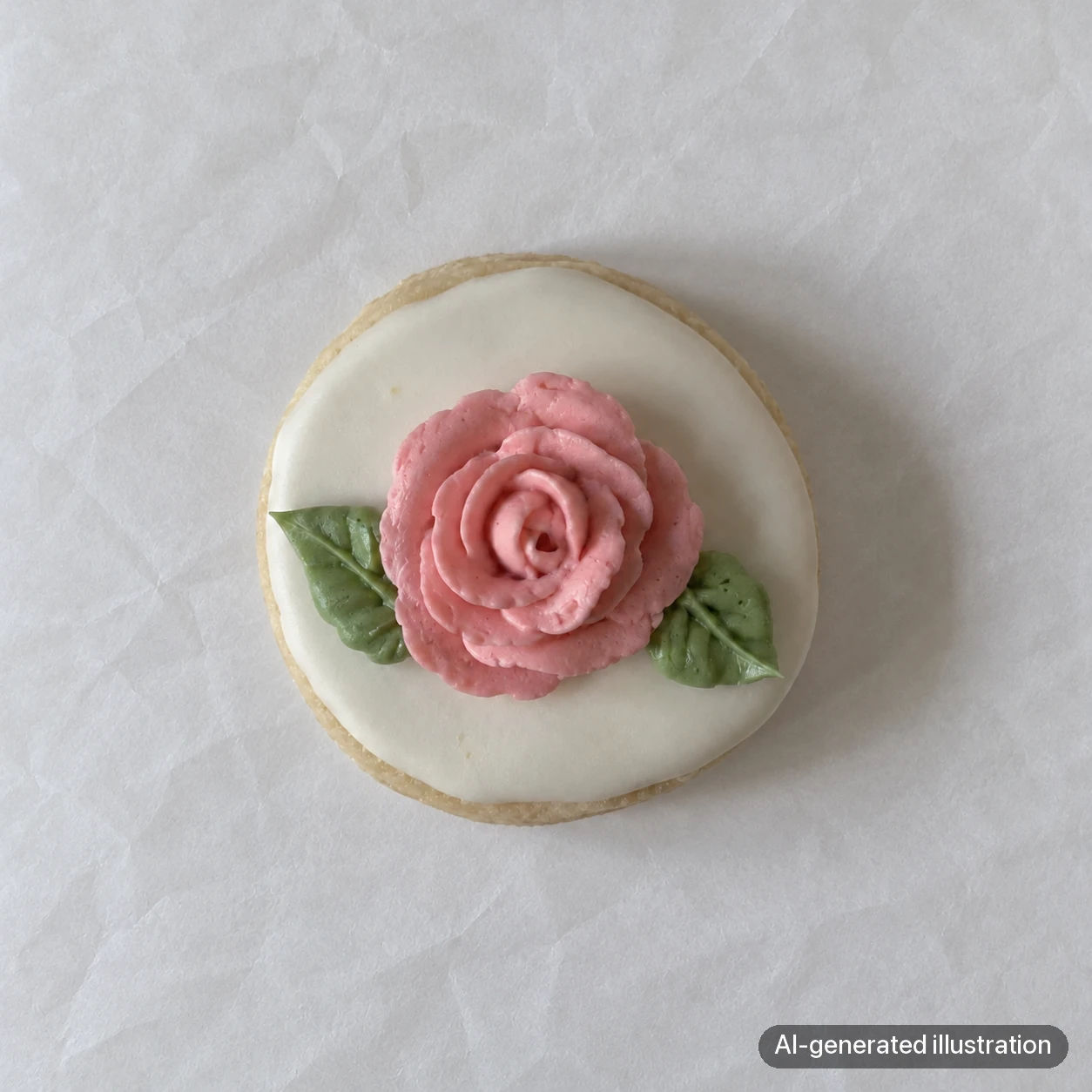
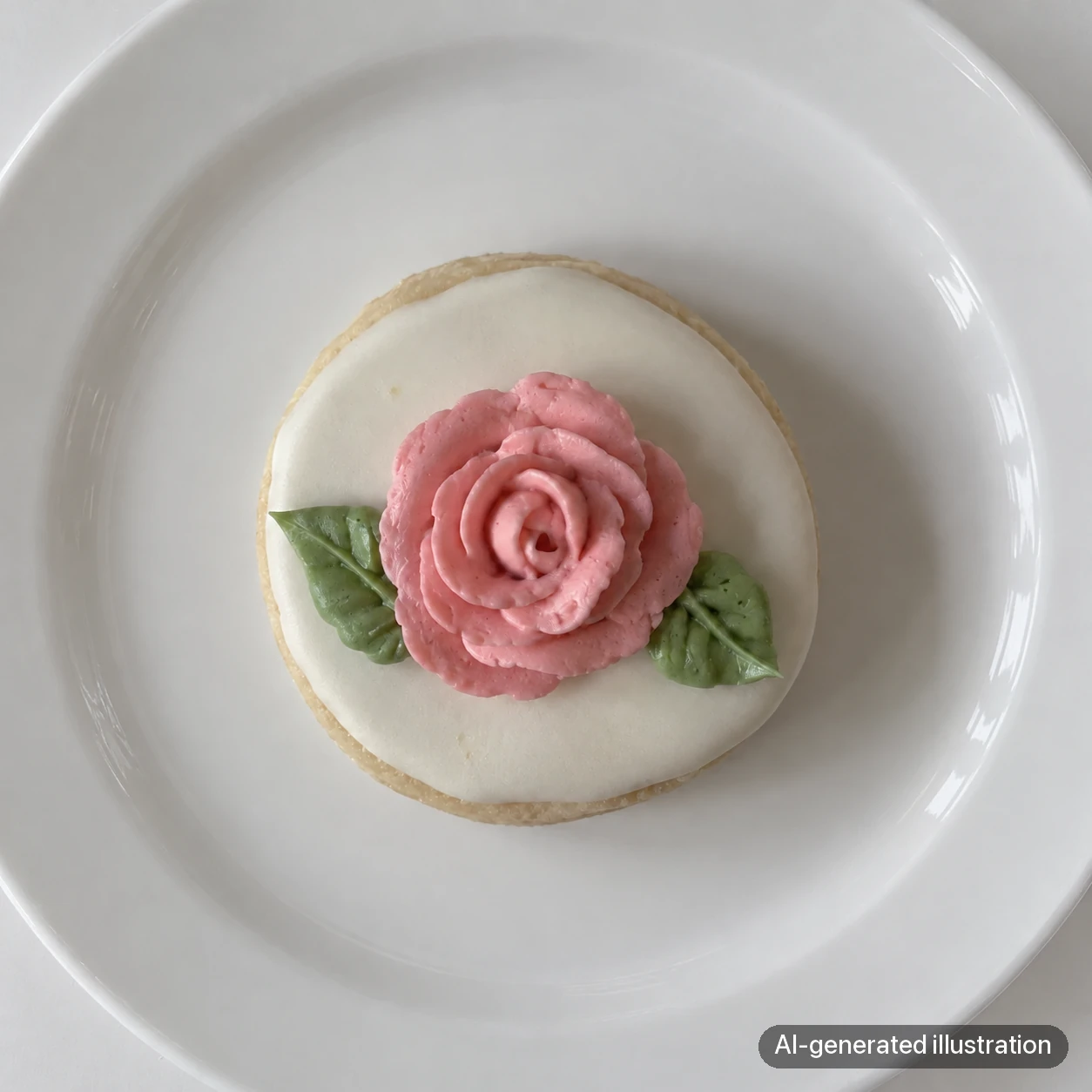
Six AI-generated material appearance concepts. The panels are not photographs of the same physical cookie, verified material samples, or a wipe-clean test. Use them to compare the visual look; check a real sample’s finish, cleaning instructions and suitability for contact with food before relying on it.
Vinyl photo backdrops
These are the default for a reason. They're sold as rolls or rigid boards in plain colors, marble, wood grain, and concrete looks, and they wipe clean. Julia Usher, who runs Cookie Connection, pointed out in the same thread how many vinyl options are available online now.
Look for matte vinyl specifically. Glossy vinyl reflects the window just like shiny icing does, and then you're fighting two sources of glare.
Coated art canvas
This one comes straight from a decorator in that thread: "I use an art canvas that I picked up at Michaels. It has some kind of coating on it so it can be wiped off with a damp towel. I've yet to find anything that can stain it." A coated canvas panel can be light and have a subtle texture that photographs well, but a primed canvas is not automatically wipeable. Check the actual coating and cleaning instructions; use a plate or food-safe barrier if it is not intended for food contact.
Contact paper over foam board
For a DIY version of vinyl, cover a white foam board with matte self-adhesive contact paper. It costs very little, it wipes clean, and when it gets scuffed you peel it off and replace it. Smooth out the air bubbles with a credit card, because every bubble shows up in close-ups.
Tile
A large ceramic or porcelain tile from the hardware store makes a sturdy, wipeable surface, and the marble-look ones can pass for real marble on camera. The downsides are weight and size. A 24-inch tile is heavy, and anything smaller will cramp a full set.
Parchment on top of anything
The cheapest trick on this list: put a sheet of parchment between the cookies and whatever backdrop you love. It can help protect the surface underneath, and a little parchment in the frame looks right for baked goods anyway. It crinkles, so smooth it flat or use the pre-cut flat sheets. Before putting the backdrop away, check that no grease has reached it.
Plates, trays, and cake boards
Some decorators skip backdrops altogether. In that Cookie Connection thread, Julia Usher said she rarely sets cookies directly on a background and prefers to use plates. A simple white plate, a wooden tray, or a cake board gives the cookies a place to sit and keeps the butter off everything else.
Where scrapbook paper and fabric fit
Scrapbook paper was one of the most common backdrops in a 2019 survey of cookie decorators, along with vinyl sheets, trays, baskets, fabric, and platters (Cookie Connection). It's cheap and comes in endless patterns, but treat it as disposable, or use parchment on top. Fabric soaks up butter and wrinkles in close-ups. It works fine as something in the background, like a folded napkin behind the cookies, and poorly as the surface they sit on.
When the backdrop isn't there
Sometimes the cookies get photographed at a market table, at night on the counter, or in the five minutes before pickup, and no backdrop is anywhere nearby. That's when a digital background swap is the practical option.
Chefolio does that part. Upload the photo, choose a built-in style, and it replaces the background around the cookies and adjusts the light. Check the colors and details against the original. And since the backdrop in the photo isn't one your cookies ever sat on, say so in the caption: "background edited" is enough.
You can try it on a counter photo:

No comments yet