AI editing can improve a food photo's light and setting, but it can also change the plate, add props or invent a sauce pour. These five selected Chefolio examples show changes to inspect before using an edit on your own menu or social feed. Compare visible ingredients, quantities, sauce and dishware with the original; this small demo set cannot measure Chefolio's overall accuracy.
A note from Chefolio: we make an app that edits food photos. Chefolio is designed to change lighting and backgrounds, but an AI edit can also change the food. We label our edits and check them against the source.
Anyone selling an AI photo tool will show you their best before-and-after. We'd rather show you how to read one.
The five pairs below come from Chefolio's project demo archive. The source is on the left and the edit is on the right. We compare what the photos show, including changes we'd question before putting an image on a menu. The available files and gaps in the test records are listed below.
What is recorded for these examples
These five pairs are selected demonstrations, not a random sample or a test of the product’s success rate. We reviewed the visible food, quantities where countable, sauce, dishware, props and intended channel. A photo cannot establish the full recipe or the amount of food hidden by sauce.
The files come from the Chefolio project archive. Individual photographer credits and permission records are not documented with these examples. Four archived source/result pairs can be opened below; the curry-rice example is available as a combined cover image. These are the available archive files, not verified camera originals.
The exact styles, quality settings, generation dates, attempt counts, selection history and any editing before archiving could not be recovered for these five pairs. The current Web library does not contain them. The four matched result filenames carry September 21, 2026, but a filename alone does not verify when a generation ran. We have not added retouching to those files for this update.
Case | Available files | Recorded file dimensions |
|---|---|---|
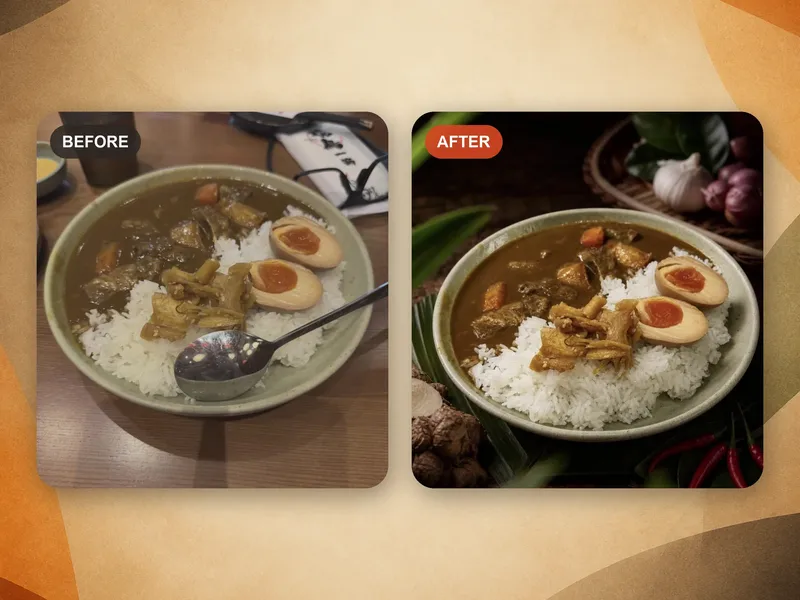
Curry rice | Combined 1200 × 628; separate source/result not found | |
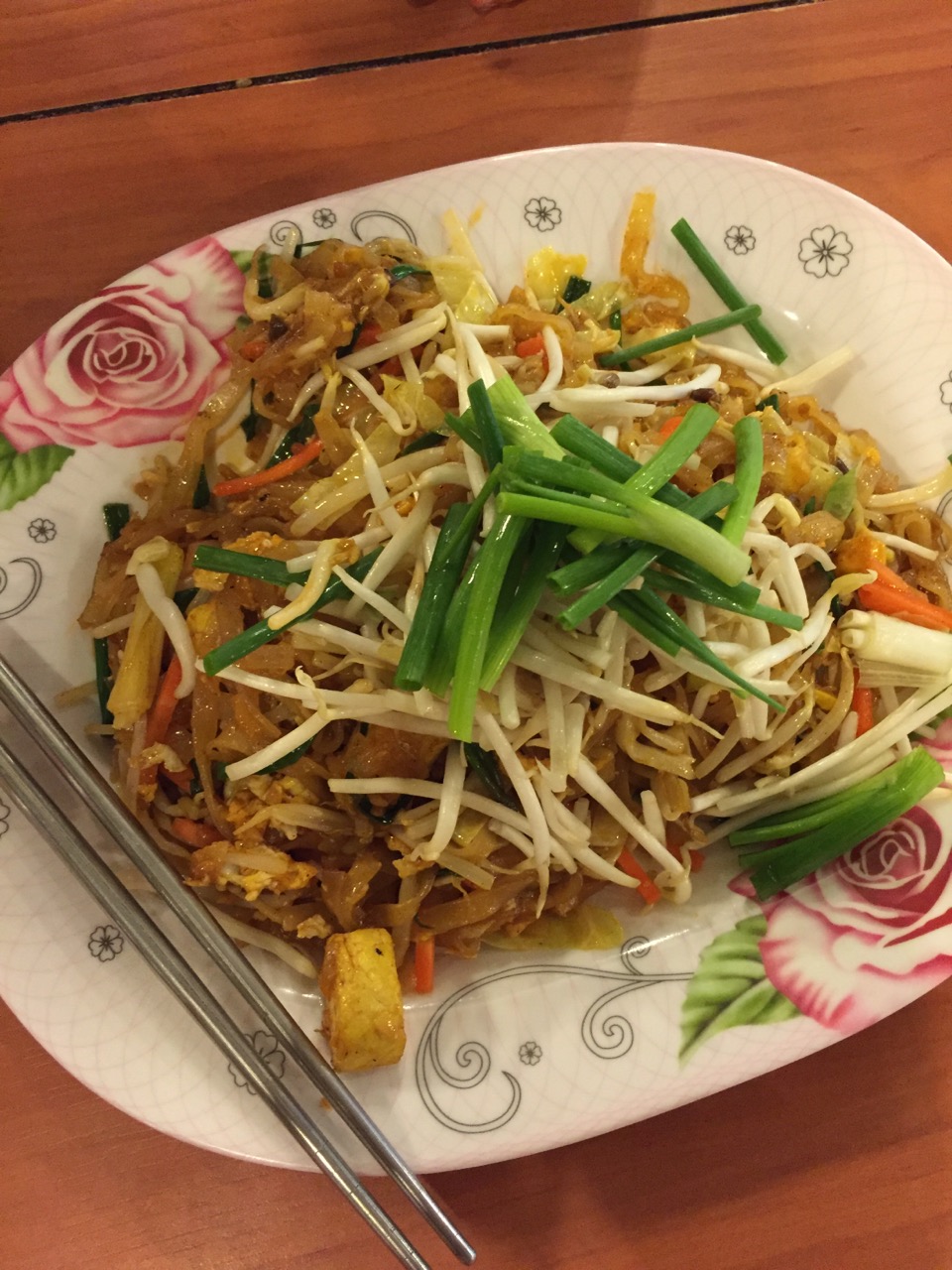
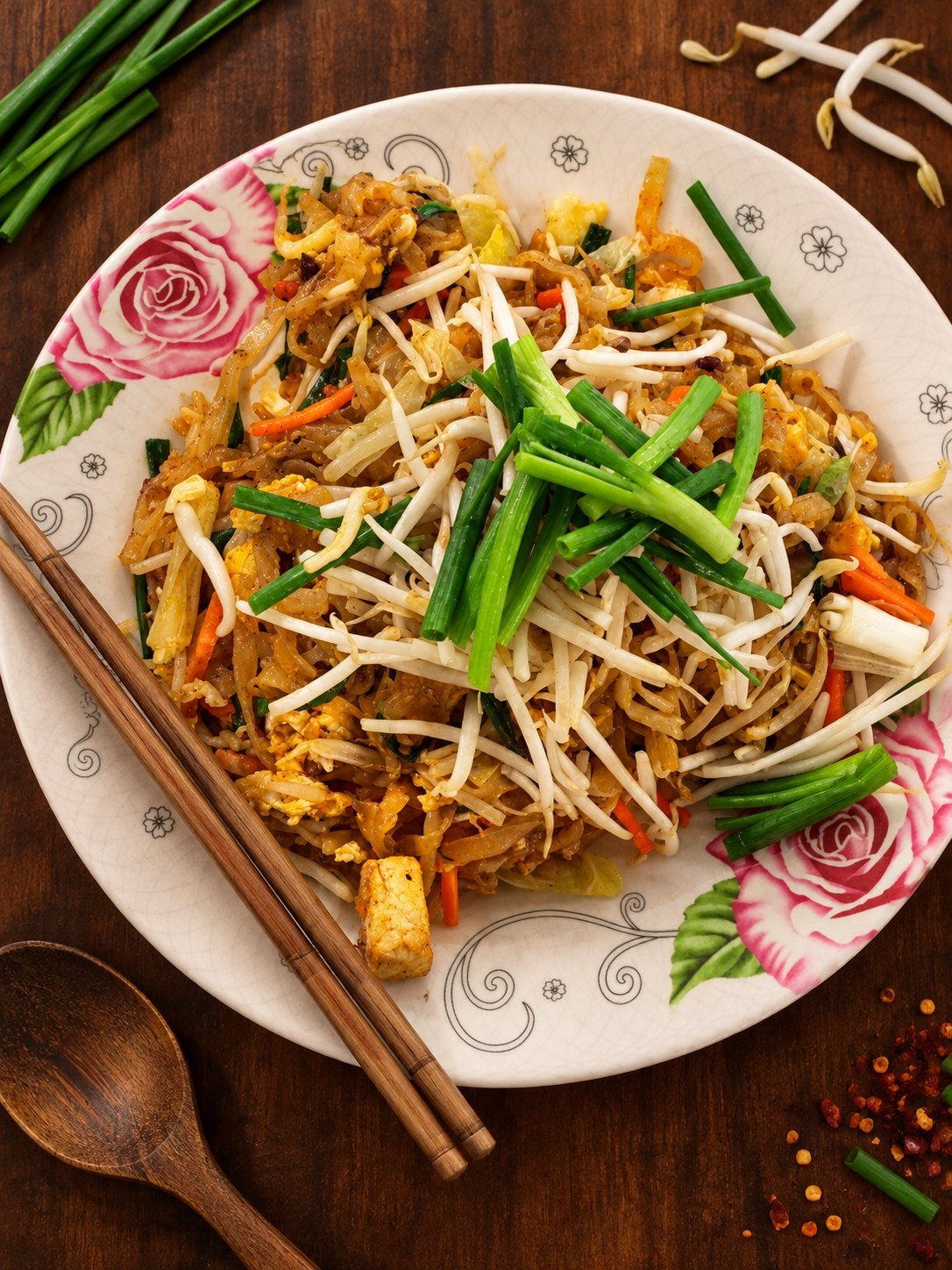
Pad thai | Source 960 × 1280; result 1086 × 1448; both 3:4 | |
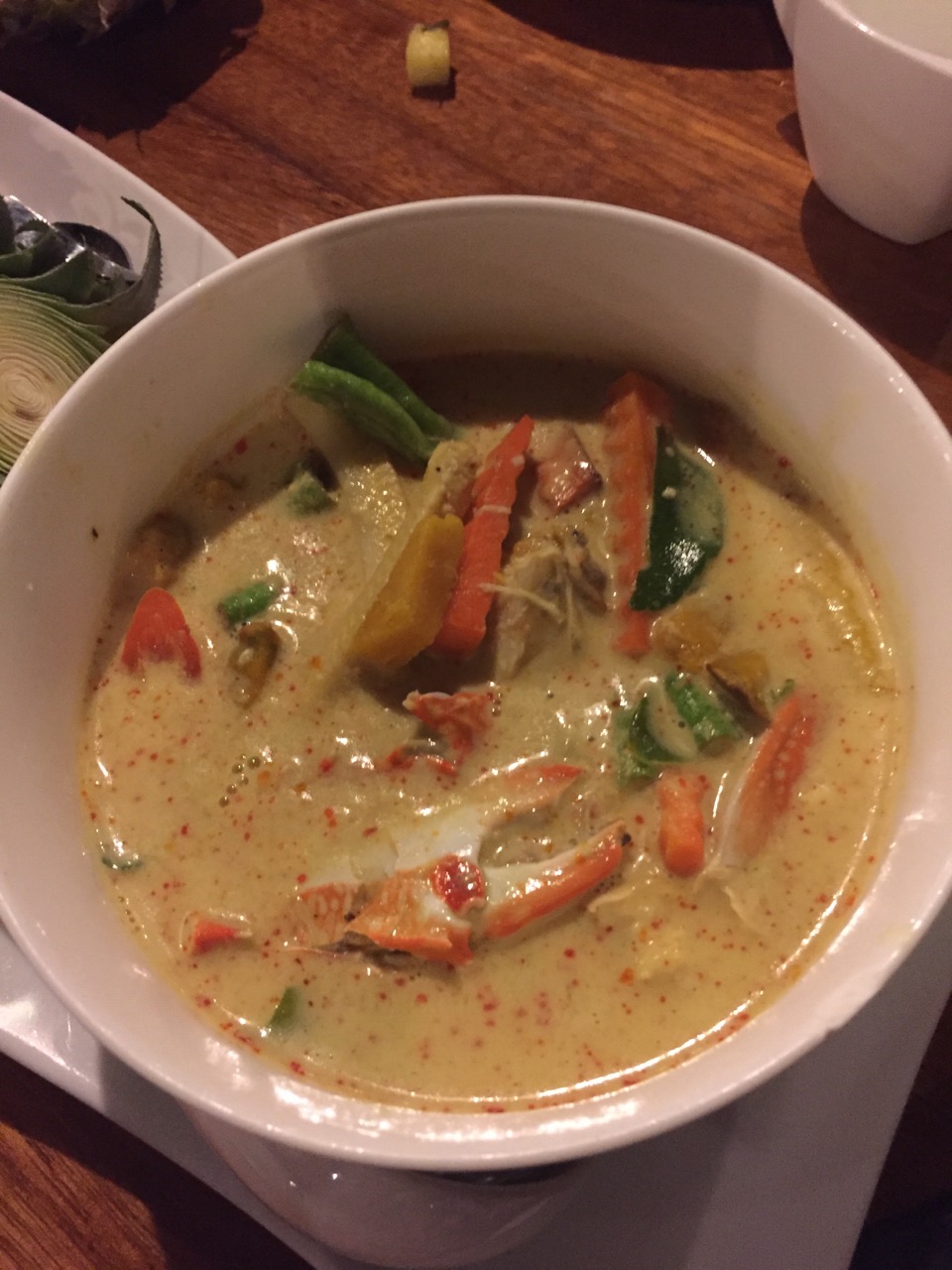
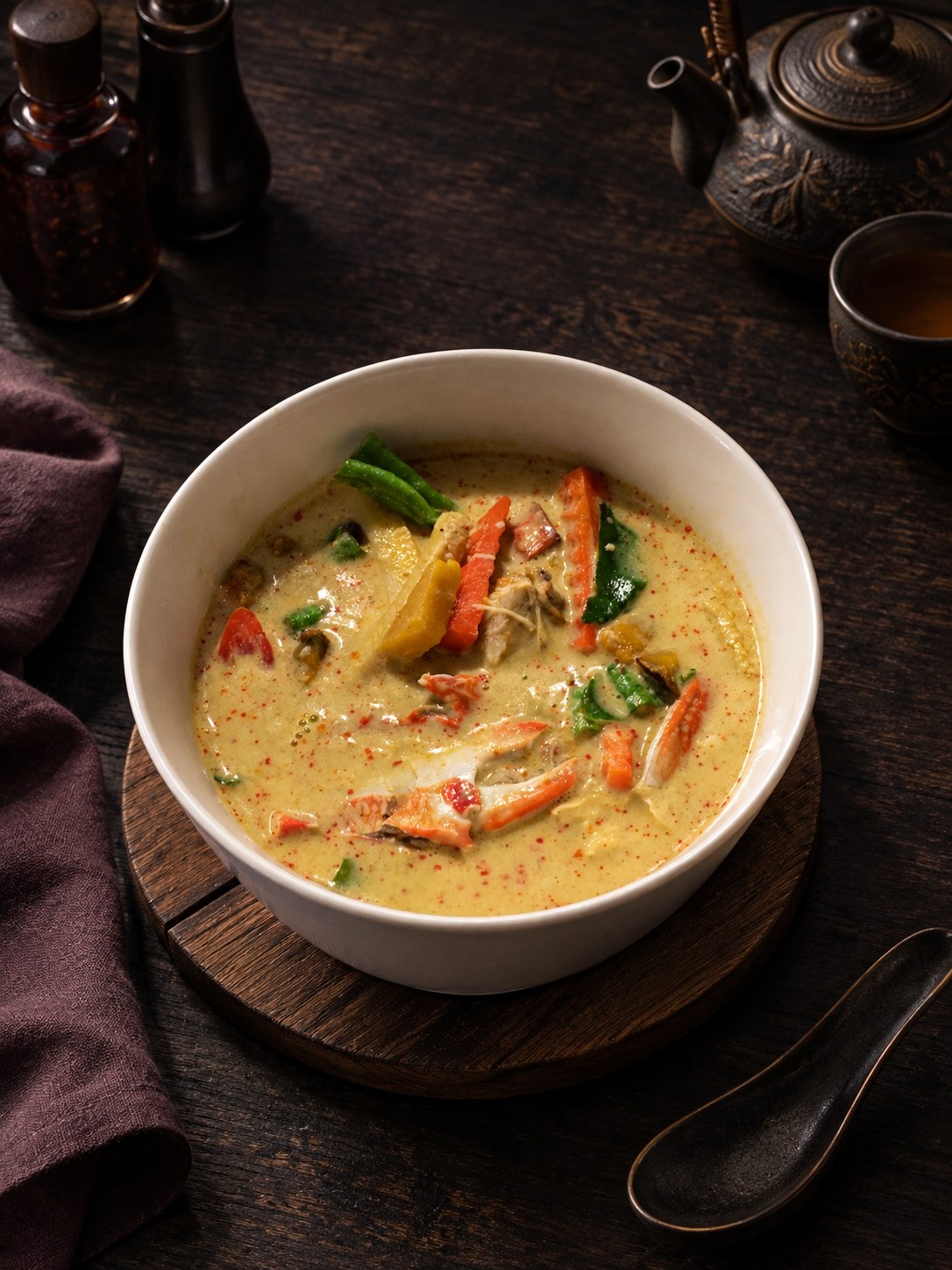
Coconut curry | Source 960 × 1280; result 1086 × 1448; both 3:4 | |
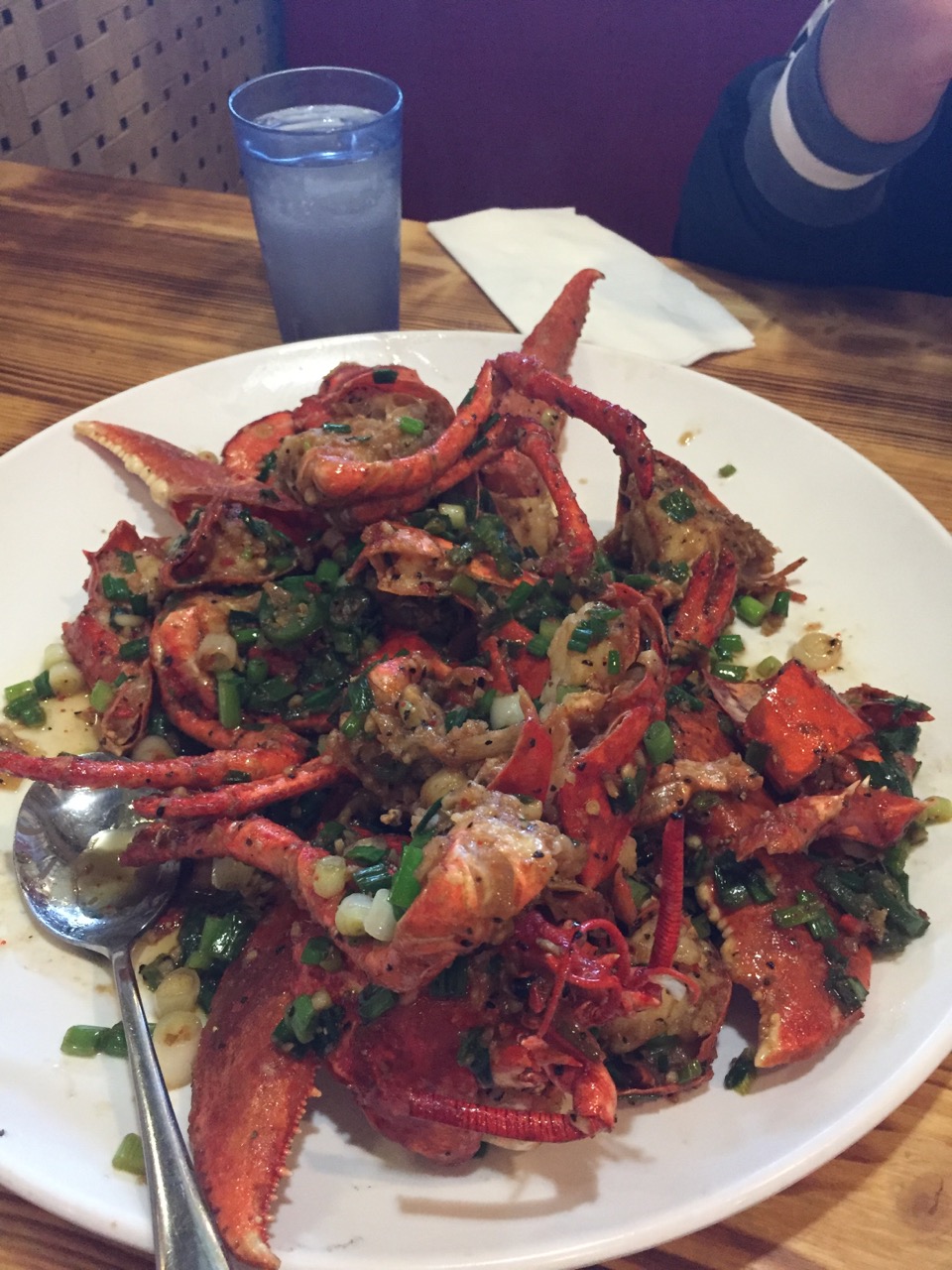
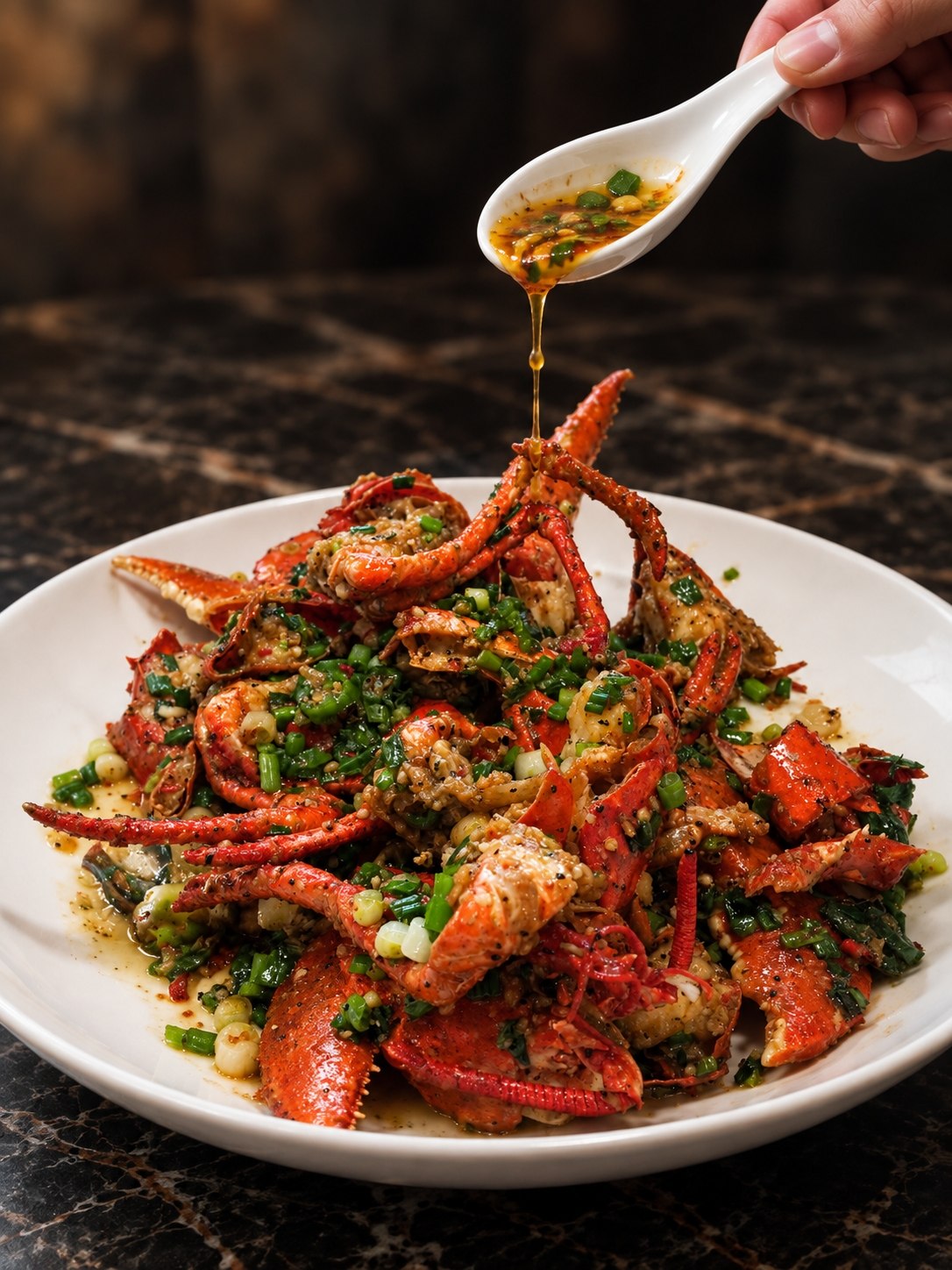
Stir-fried lobster | Source 960 × 1280; result 1086 × 1448; both 3:4 | |
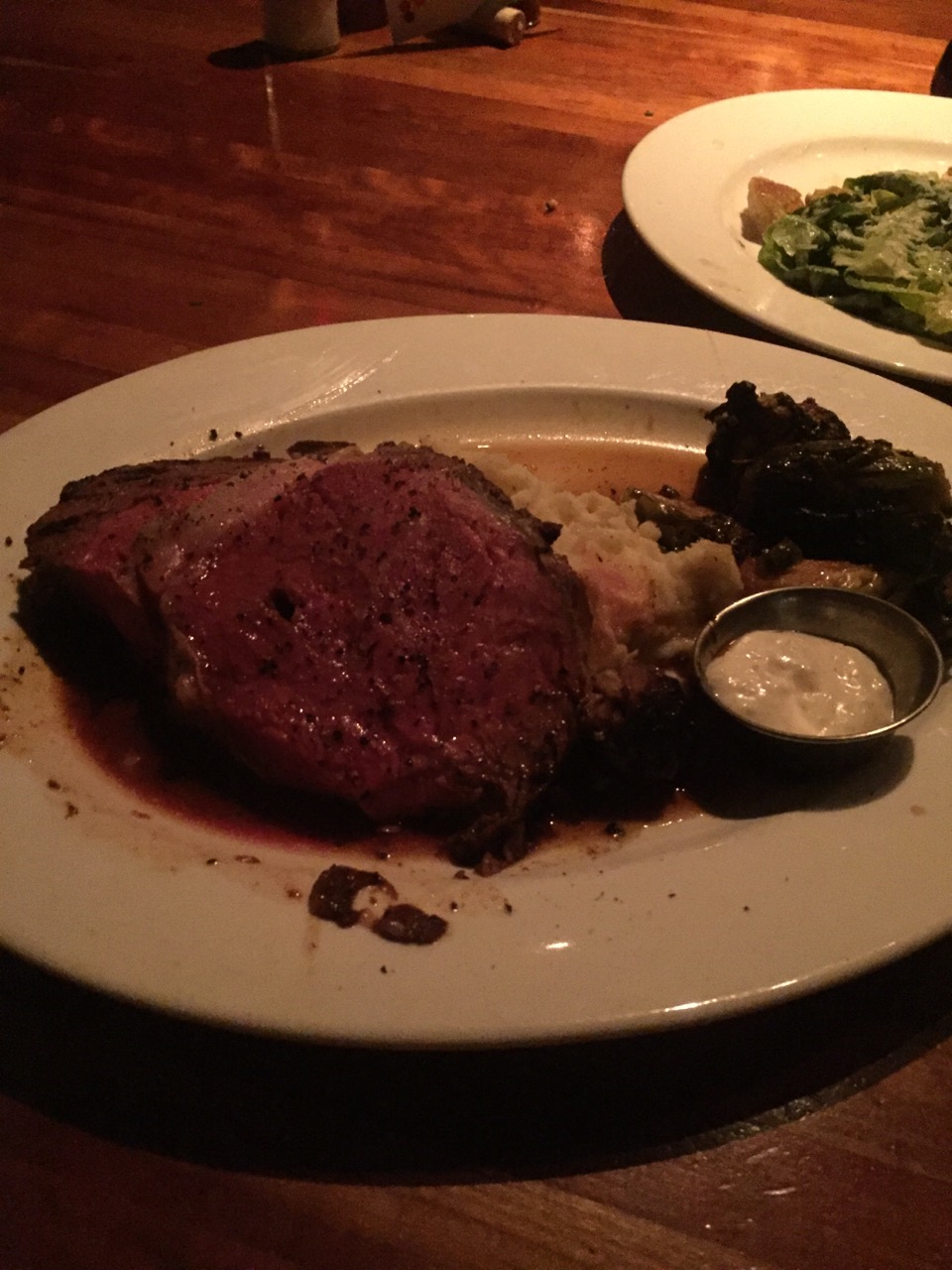
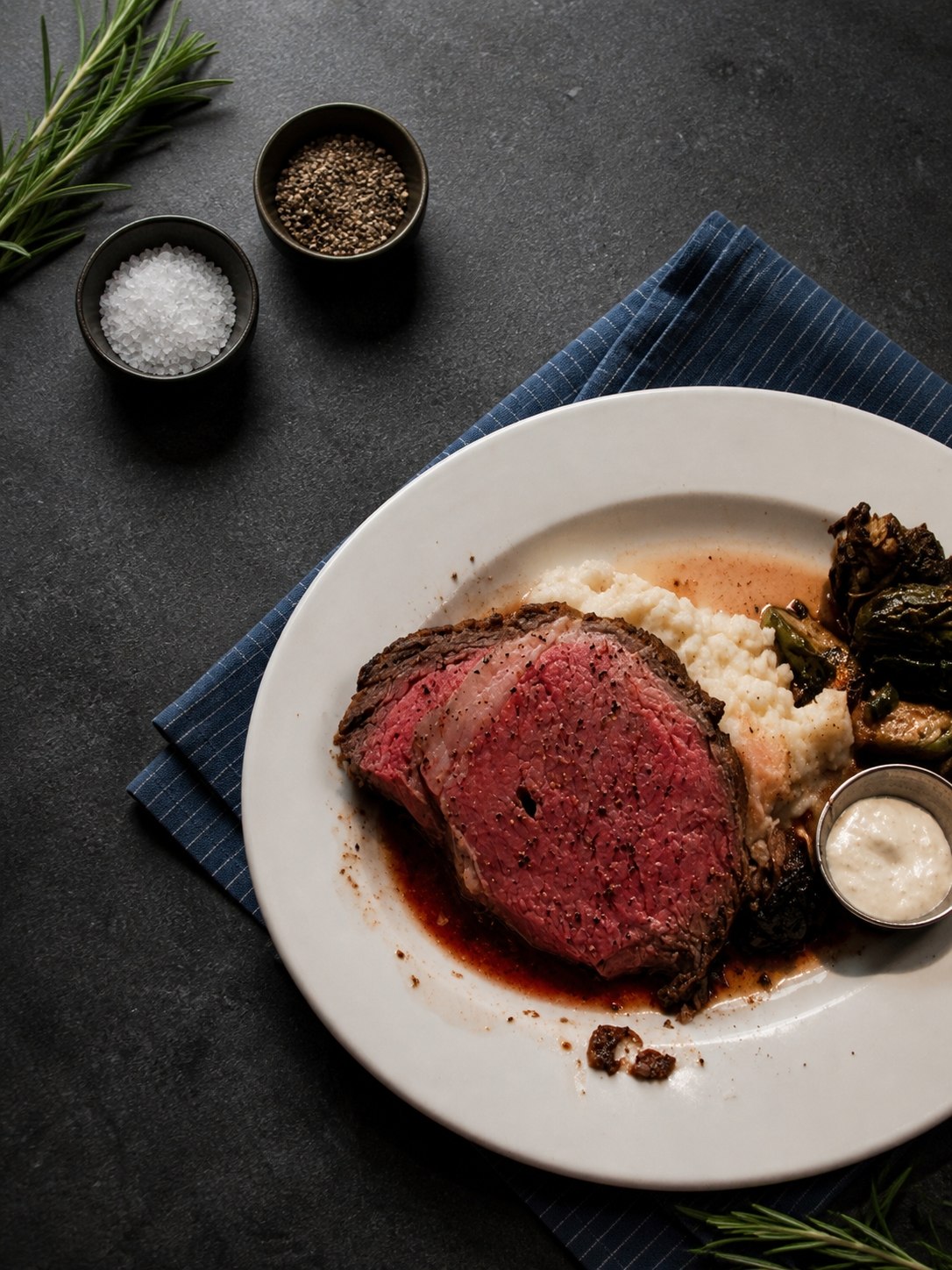
Prime rib | Source 960 × 1280; result 1086 × 1448; both 3:4 |
Curry rice with soft-boiled eggs
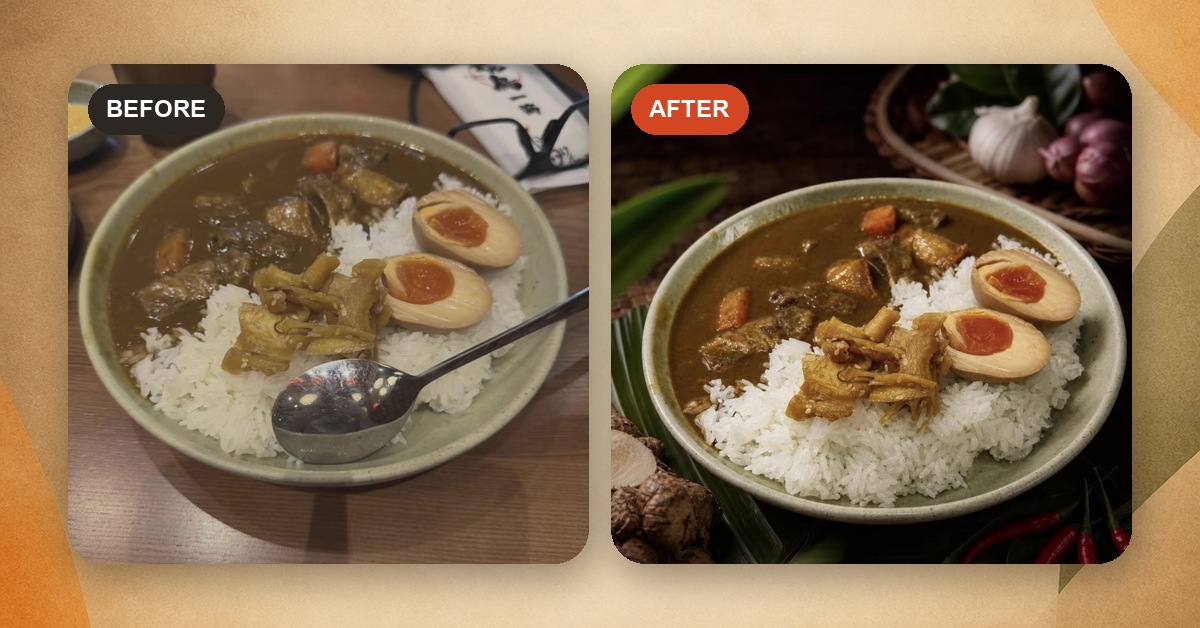
The original (the cover image at the top of this post) has everything a quick phone photo usually has: a spoon stuck in the rice, a plain wooden table, and a chopstick wrapper and glasses at the edge of the frame.
In the edited version, the spoon is gone and the bowl sits on a dark surface with garlic, shallots, chilies, and a few leaves around it. In the visible parts of the bowl, we see curry with carrots, two visible egg halves in similar spots, a shredded topping, and rice. Some ingredients are hidden under the sauce and topping, so we can't count everything.
We'd consider this for an owned menu or social post after checking it against the dish as served. The chilies deserve attention: props suggest ingredients. If your curry is mild, red chilies beside it hint at heat that isn't there. A first-time customer might take that cue literally.
Pad thai
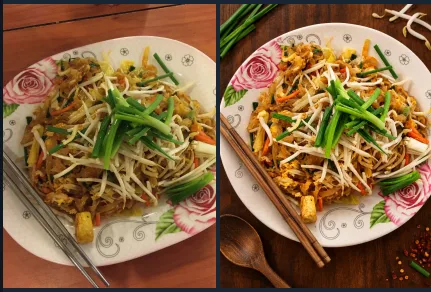
The plate looks like the same floral plate, and the visible noodles, tofu, sprouts and chives look similar. Exact quantities are harder to check. The chopsticks stay. The table gets darker, a wooden spoon appears, and loose bean sprouts and chili flakes sit beside the plate.
For an owned menu or social post, we'd first check that the dish and scattered garnish give an accurate impression of what is served. For DoorDash, we'd try a plainer background. That's our recommendation, based on DoorDash's background guidance, rather than a prediction that this photo will be rejected.
Coconut curry
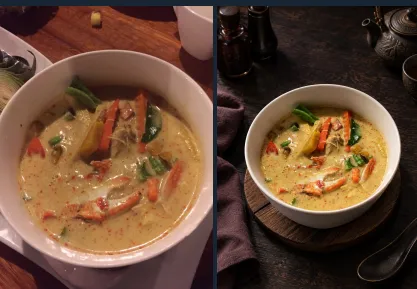
The original was shot close, on a busy table, with a saucer under the bowl. The edit pulls back, drops the saucer, and sets the bowl on a round wooden board with a teapot and a napkin behind it.
In the visible parts of the curry, the shrimp, carrots, peppers, and snow peas sit in about the same places. Anything under the sauce can't be checked. The bowl is a close match, though not an exact one. Compare the rim shape in the two photos and you'll see small differences.
Where we might use it: your own menu or social posts, after you check it against the dish as served. If your restaurant is known for a particular bowl, check that detail closely, because regulars notice dishware.
Stir-fried lobster
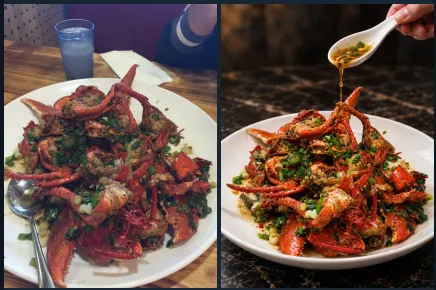
This is the one we'd hold back. The visible lobster, scallions, and plate look similar to the original. But the edit added a hand pouring sauce from a spoon onto the dish, and that sauce isn't in the original.
We'd hold it back from every channel unless you actually finish the dish at the table with that sauce. If you don't, the photo promises something the customer won't get. Even if you do, we wouldn't submit this edit to a delivery app. DoorDash says hands shouldn't distract from the item and the photo should show what's actually served (DoorDash). Here, the added hand and sauce change that impression.
What we'd do: regenerate, or pick a different style, until the result shows only what's on the plate.
Prime rib
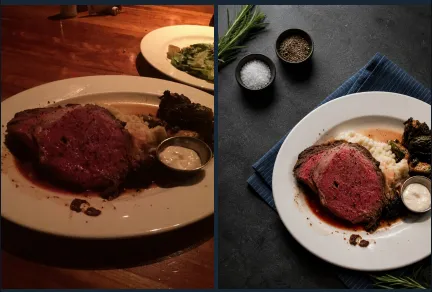
The original was taken in a dim dining room, the kind of warm, low light that makes meat look brown and flat. The edit brightens everything and moves the plate onto dark slate with rosemary and small bowls of salt and peppercorns around it.
We can identify one visible cut of prime rib, mashed potatoes, greens, jus and a ramekin of horseradish sauce in both images. The edit adds small bowls beside the plate. Check that these props do not suggest included sides or seasonings you don't serve.
We'd consider this for an owned menu or social post after checking the dish as served. For a delivery listing, we'd try a version with fewer props and check that platform's rules.
How to review an AI edit in under a minute
Put the original and the edit side by side and go through this list:
- Count the main items: shrimp, eggs, slices, cookies.
- Check the garnish and the sauce. Anything new on the food is a problem.
- Compare the plate or bowl, especially if yours is distinctive.
- Look at the props. Do they suggest ingredients, heat, or sides you don't serve?
- Look for hands, utensils, or motion (pours, drizzles, steam) that weren't there.
- Decide where it's going. Delivery apps want the plainest version. Social can take more styling.
If an edit changes the dish, regenerate it, try another style or use the original. Five selected demos don't measure how accurately Chefolio handles food across a whole menu. The added sauce in the lobster photo is a reason to check each result.
You can run your own photos through the same review with Chefolio.
Open the web app · Download for iPhone
The iPhone app requires iOS 26 or later.


No comments yet